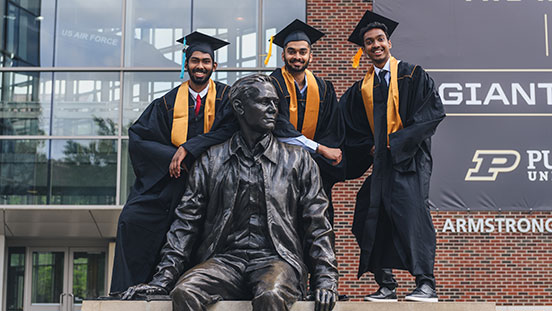
Choosing to attend university is one of the most significant decisions a person can make. It marks the beginning of a new chapter—one filled with opportunity, discovery, responsibility, and transformation. While many people think of university simply as a place to earn a degree, its true impact reaches far deeper. It influences personal identity, career direction, social development, and even the way we engage with the world around us. In today’s fast-paced society, where new learning alternatives exist and traditional pathways are being challenged, understanding the true value of university is more important than ever.
A Space for Academic Exploration
At its core, the university is an academic institution, but what sets it apart is its commitment to exploration rather than memorization. Professors encourage students to question, investigate, and think independently. Instead of simply accepting answers, university students are taught to search for them.
This environment of inquiry helps develop critical thinking skills—skills that employers value and society desperately needs. The ability to evaluate information, understand complex issues, and form thoughtful opinions has become essential in a world full of conflicting viewpoints and rapidly evolving technologies. University programs are designed not only to teach knowledge but to cultivate intellectual curiosity.
A Launchpad for Professional Growth
Universities are deeply connected to the professional world. Degrees open doors to careers in engineering, business, health sciences, education, law, technology, and countless other fields that require specialized training. Many professions can only be entered through university-level education due to the complexity and responsibility involved.
Moreover, universities frequently partner with companies, organizations, and industries to offer internships, work placements, mentorships, and real-world projects. These opportunities give students hands-on experience, build confidence, and help them understand the expectations of the workplace.
As the global job market becomes more competitive, having a degree can make a significant difference. It not only increases job prospects but also demonstrates commitment, perseverance, and discipline—qualities employers admire.
The University as a Community
One of the most overlooked aspects of university life is the sense of community it fosters. For many students, university is the moment they step into adulthood. They learn how to manage their time, organize their schedules, handle responsibilities, and live independently.
Living in dormitories or shared housing introduces students to people from various backgrounds, cultures, and belief systems. These interactions create friendships that can last a lifetime and broaden students’ perspectives on the world. This environment encourages empathy, understanding, and tolerance—traits that contribute positively to society.
In addition, student organizations, clubs, sports teams, and cultural groups enrich campus life. They give students a chance to explore hobbies, develop leadership skills, and build a supportive network. These experiences are not just fun; they shape personal identity and help students discover passions that may guide their future.
Technology’s Growing Influence on Higher Education
The digital revolution has dramatically changed university education. Online classes, interactive platforms, and digital research tools have expanded access to learning. Students can attend lectures from anywhere, collaborate in virtual groups, and access millions of academic resources with a single click.
Universities are incorporating artificial intelligence, virtual simulations, and digital laboratories to provide modern, innovative learning experiences. For example:
- Medical students can practice procedures in virtual reality.
- Engineering students can test designs using simulation software.
- Business students can analyze market data in real time.
This technological shift not only enhances learning but also prepares students for a workforce that increasingly relies on digital skills. While traditional classroom environments remain valuable, digital learning has created flexible options for students with different needs and lifestyles.
The Role of Universities in Research and Innovation
Universities are powerful centers of research. They play a crucial role in solving global challenges—whether in health, environment, technology, or social sciences. Researchers study everything from climate change to artificial intelligence to medical treatments that save lives.
Students who participate in research projects gain firsthand experience in innovation. They learn to ask bold questions, design experiments, and think creatively. These skills are essential for shaping future leaders and problem-solvers.
University-driven research not only benefits students but also contributes to the advancement of society. Many technological breakthroughs, scientific discoveries, and cultural studies begin in university laboratories and classrooms.
The Financial and Personal Challenges
Despite the many strengths of university education, it is not without challenges. Rising tuition costs, limited financial aid, and the growing burden of student debt are major concerns for many families. For some students, working while studying becomes necessary, adding stress and reducing available time for learning.
Additionally, not every student is academically or emotionally prepared for the transition to university life. Adapting to a new environment, managing time, and handling academic pressure can be overwhelming. Recognizing this, many universities now provide support services including counseling, tutoring, academic advising, and mentorship programs to help students succeed.
Why University Still Matters
In an era where online courses, bootcamps, and alternative learning platforms are becoming more popular, some people wonder whether university is still relevant. The answer is yes—but not simply because of the degree. University remains important because it offers an unmatched combination of intellectual development, practical experience, personal growth, and community connection.
While alternative learning paths can be useful for specialized skills, they often lack the depth and breadth of university education. They typically do not provide the same level of research opportunities, campus life experiences, or long-term academic support.
University is more than a place to earn credentials—it is a training ground for life.
A Vision for the Future
Universities are continuing to evolve. The future will likely include more hybrid learning models, personalized study pathways, and increased collaboration with industry. Programs will become more flexible, allowing students to design their own educational journeys. Life-long learning will also become central, with adults returning to university throughout their careers to gain new skills.
Universities will remain vital as long as society values knowledge, innovation, and human connection. They will continue to guide generations of learners, shape community leaders, and drive progress across every field of study.
Conclusion
University is an experience that shapes the mind, strengthens character, and opens doors to new possibilities. Its impact goes far beyond academics. It helps build relationships, develop independence, and prepare individuals for the challenges and opportunities of the modern world. While the landscape of education may change, the university remains a foundational institution—one that continues to inspire learning, creativity, and growth.