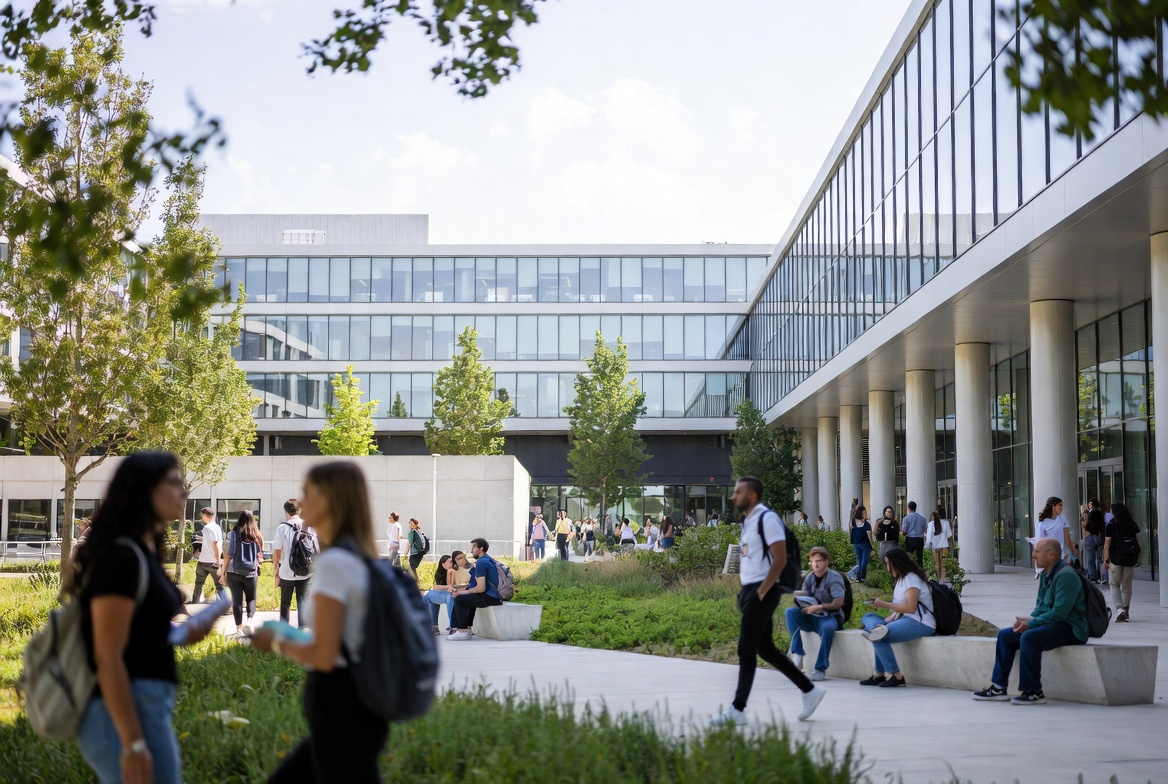
Introduction: Redefining the Role of Universities
In the 21st century, universities are no longer institutions focused solely on awarding degrees. The modern university has evolved into a dynamic ecosystem that nurtures intellectual growth, practical skills, emotional intelligence, and lifelong learning. As global challenges grow more complex and careers become less linear, higher education now plays a critical role in preparing individuals not just for jobs, but for life itself. A modern university education lays the foundation for personal development, social responsibility, and adaptability in an ever-changing world.
Beyond Academics: Holistic Student Development
One of the defining characteristics of the modern university is its commitment to holistic education. While academic excellence remains essential, universities increasingly emphasize the development of soft skills such as communication, leadership, teamwork, and critical thinking. Through group projects, presentations, debates, and interdisciplinary learning, students gain the confidence and emotional intelligence required to succeed in diverse professional and social environments.
Extracurricular activities, student organizations, and volunteer programs further contribute to personal growth. These experiences help students discover their interests, build resilience, and develop a sense of identity beyond the classroom.
Skill-Based Learning for a Competitive Job Market
Today’s job market demands more than theoretical knowledge. Employers seek graduates who can apply concepts in real-world situations, adapt quickly, and solve complex problems. Modern universities respond to this demand by integrating skill-based learning into their curricula.
Internships, industry partnerships, case studies, project-based learning, and experiential education allow students to bridge the gap between theory and practice. Many universities also offer career development centers, resume workshops, and mentorship programs that prepare students for professional success. This practical approach ensures that graduates are job-ready and capable of long-term career growth.
Technology and Innovation in Higher Education
Technology has transformed the way universities operate and deliver education. Digital learning platforms, virtual classrooms, artificial intelligence, and data-driven teaching methods have expanded access to education and improved learning outcomes. Modern universities leverage technology to personalize learning, encourage collaboration, and support students beyond traditional lecture halls.
Additionally, universities serve as hubs of innovation and research. By encouraging creativity and entrepreneurship, they empower students to develop startups, conduct meaningful research, and contribute innovative solutions to global challenges such as climate change, healthcare, and sustainability.
Cultivating Global Citizenship and Cultural Awareness
In an increasingly interconnected world, universities play a vital role in promoting global awareness and cultural understanding. Modern campuses are diverse, inclusive environments that bring together students from different backgrounds, cultures, and perspectives. This exposure fosters tolerance, empathy, and global citizenship.
Study-abroad programs, international collaborations, and multicultural events allow students to gain a broader worldview. Graduates leave university not only as professionals but as responsible global citizens capable of contributing positively to society.
Mental Health, Well-Being, and Student Support
Recognizing the pressures faced by students, modern universities place growing importance on mental health and well-being. Counseling services, wellness programs, peer support networks, and flexible learning options help students manage stress and maintain balance.
By creating supportive environments, universities ensure that students can thrive academically and personally. This focus on well-being reinforces the idea that education is not only about achievement, but also about personal fulfillment and long-term happiness.
Lifelong Learning and Adaptability
The rapid pace of technological and societal change means learning does not end at graduation. Modern universities embrace the concept of lifelong learning by offering continuing education programs, online courses, certifications, and alumni learning opportunities.
This commitment helps individuals remain relevant in their careers and adaptable in the face of change. A university education instills curiosity and a love for learning—qualities that serve individuals throughout their lives.
Conclusion: A Foundation That Lasts a Lifetime
The modern university is far more than a place to earn a degree. It is a transformative space that shapes minds, builds character, and prepares individuals for the complexities of modern life. By combining academic knowledge with practical skills, emotional intelligence, global awareness, and lifelong learning, universities provide a strong foundation that extends far beyond graduation.
In essence, a modern university education is not just an investment in a career—it is an investment in a meaningful, adaptable, and purpose-driven life.