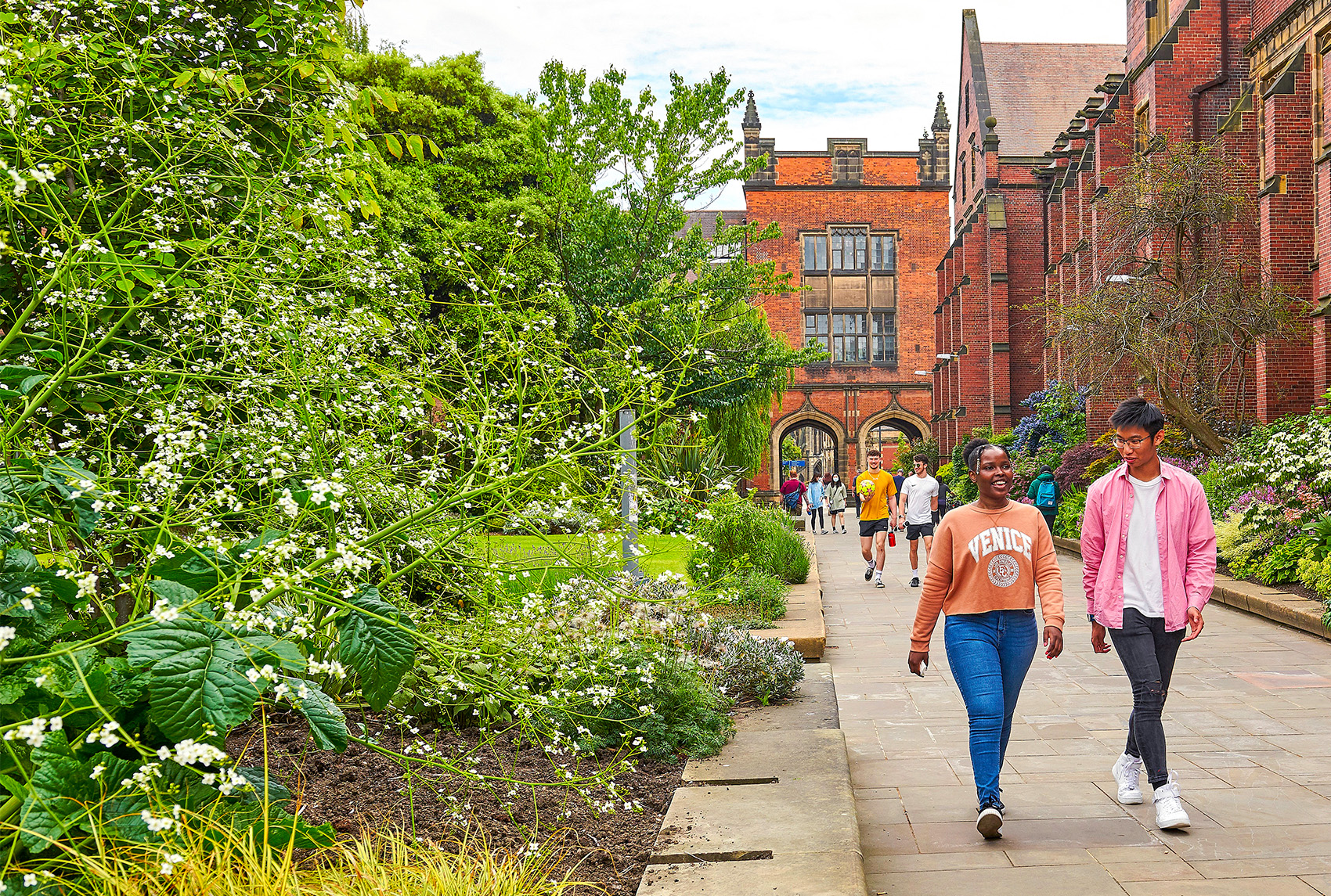
For centuries, the university has stood as one of the most enduring institutions in human society. From medieval Europe’s early centers of learning to today’s sprawling global campuses, universities have shaped how knowledge is created, preserved, and shared. Yet in the twenty-first century—an era defined by rapid technological change, global interconnection, and shifting cultural expectations—the role of the university is undergoing profound transformation. Understanding this evolution is crucial not just for students, but for educators, policymakers, and anyone invested in the future of knowledge itself.
A Legacy Rooted in Curiosity and Community
Historically, universities were born from a desire to answer life’s most complex questions. Early universities in Bologna, Oxford, and Paris gathered scholars who believed in the power of collective inquiry. They created communities where ideas could be debated freely and where knowledge was valued for its own sake. This spirit still forms the core of modern universities: a commitment to critical thinking, research, and intellectual exploration.
But universities today do far more than just preserve knowledge. They generate new discoveries, drive innovation, and play a central role in economic and social development. They have become engines of opportunity, opening doors for millions of people each year to pursue careers that were once unimaginable.
The University as a Gateway to Opportunity
Earning a university degree has long been associated with higher earning potential, increased job prospects, and long-term career stability. But the value of a university education goes beyond the financial benefits. Students emerge with new perspectives, stronger communication skills, and the ability to navigate complex problems—qualities that employers across every industry now seek.
For many students, university is also a time of personal growth. Living independently, managing responsibilities, and building friendships with people from diverse backgrounds all contribute to a transformative life experience. Many alumni look back on their university years not just as the time they “got a degree,” but as a defining period of self-discovery.
The Digital Shift: Technology in Higher Education
Perhaps the most noticeable change in universities over the last two decades has been the rise of technology. Lectures once delivered in chalk-filled classrooms are now streamed live to students around the world. Digital libraries place millions of resources at a student’s fingertips. Artificial intelligence is reshaping academic research, while virtual labs and simulations allow students to experiment in ways that were previously impossible.
Online learning, once considered a niche alternative, has become a mainstream option. Flexible programs, hybrid degrees, and fully online universities have opened the doors to people who otherwise couldn’t attend in person—working adults, parents, international learners, and those living far from campuses.
However, this evolution comes with challenges. Access to technology is still unequal, and some students struggle without the structure of in-person learning. Universities are now balancing tradition with innovation, trying to find ways to keep education accessible without losing the community experience that makes campus life so enriching.
The Rising Importance of Research
Universities are not just places where students learn; they are centers where new knowledge is created. University research has led to life-saving medical breakthroughs, technological advancements, and deeper understanding of social and environmental issues. From developing vaccines to exploring sustainable energy solutions, researchers contribute directly to improving the world.
In recent years, there has been growing emphasis on interdisciplinary research—collaboration across fields such as engineering, biology, computer science, psychology, and even the arts. Many of today’s complex global problems require solutions that no single discipline can provide. Universities are uniquely positioned to bring experts together and foster these collaborations.
The Student Experience Beyond Academics
Modern universities recognize that academic success is closely tied to student well-being. As a result, campuses increasingly offer mental-health support, counseling services, extracurricular activities, recreational facilities, and career-development programs. Clubs and societies help students explore hobbies, build leadership skills, and find community. Internships, mentoring, and volunteer opportunities prepare students for life beyond graduation.
For international students, universities offer an especially rich cultural experience. They get the chance to immerse themselves in a new environment while sharing their own culture with peers. This cultural exchange is one of the most valuable aspects of higher education, fostering global understanding in a world where cooperation is increasingly important.
Challenges Facing Modern Universities
Despite their strengths, universities today face significant pressures. Rising tuition costs have made higher education unaffordable for many families. Student debt has become a long-term burden for graduates in several countries. At the same time, some critics question whether universities prepare students well enough for the rapidly changing job market.
Another challenge is keeping pace with technological change. Industries are evolving quickly, and universities must constantly update their curricula to ensure graduates remain competitive. Fields like artificial intelligence, cybersecurity, renewable energy, data science, and biotechnology require continuous adaptation.
Yet perhaps the most pressing challenge is maintaining the relevance of the university itself. With alternative education paths—bootcamps, online certificates, micro-credentials—many people wonder whether a traditional degree is still worth it. Universities must demonstrate that they offer more than just courses: they offer a comprehensive, life-shaping experience that combines knowledge, community, mentorship, and personal development.
Looking Ahead: The Future of the University
The university of the future will likely be more flexible, more global, and more deeply connected to society. Degrees may become more customizable, allowing students to design programs that align with rapidly shifting career paths. Online and hybrid learning will continue to expand, but so will experiential learning—hands-on projects, internships, and real-world problem solving.
Universities will also play a key role in lifelong learning. As people change careers multiple times in their lives, universities will support continuous education rather than a one-time degree. This shift reflects a broader truth: learning is no longer a stage of life, but a lifelong journey.
Conclusion
The university remains a vital institution—one that adapts, evolves, and responds to the needs of society. Whether viewed as a pathway to career success, a hub of research and innovation, or a transformative personal experience, the university continues to shape the future in powerful ways. As the world changes, so too will the university, but its core mission endures: to expand knowledge, empower learners, and inspire progress for generations to come.