Introduction
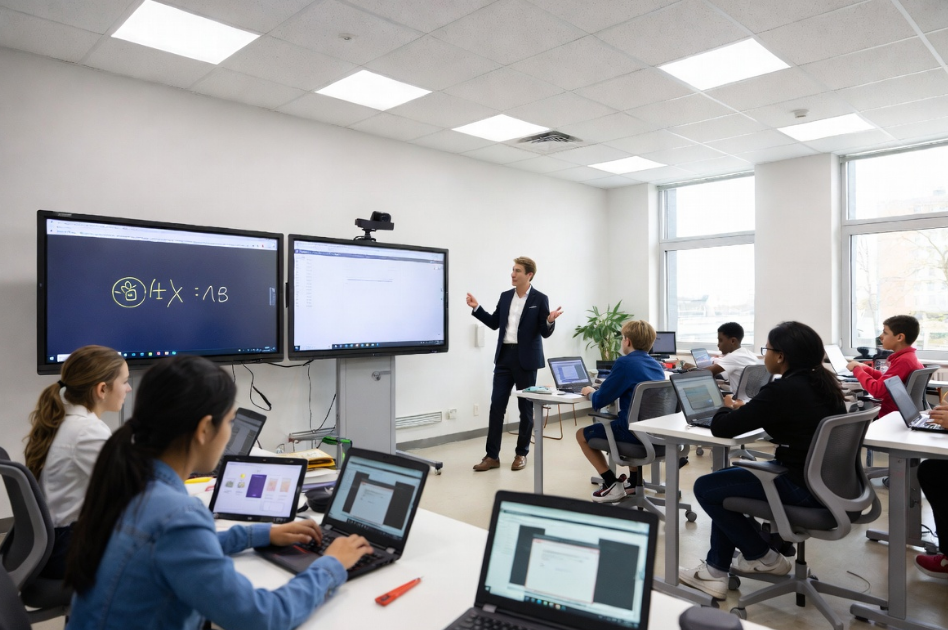
Technology has become an integral part of modern society, transforming nearly every aspect of human life, including education. The traditional education system, which relied heavily on textbooks and face-to-face instruction, has evolved into a more dynamic and interactive model. The integration of technology in modern education has improved access to information, enhanced teaching methods, and reshaped the learning experience. Today, technology plays a vital role in making education more flexible, inclusive, and effective for students across the world.
Evolution of Technology in Education
In the past, education was limited to physical classrooms and printed learning materials. With the advancement of technology, educational institutions now utilize digital tools such as computers, projectors, smartboards, and online platforms. The introduction of the internet has revolutionized learning by providing instant access to vast amounts of information. E-learning platforms, virtual classrooms, and digital libraries have made education more accessible, allowing students to learn beyond geographical boundaries.
Technology-Enhanced Teaching Methods
Technology has significantly improved teaching methodologies in modern education. Teachers can now use multimedia presentations, videos, animations, and interactive simulations to explain complex concepts more effectively. These tools help capture students’ attention and improve understanding. Learning management systems enable teachers to organize course materials, assign tasks, and track student progress efficiently. As a result, teaching has become more structured, engaging, and student-centered.
Impact on Student Learning Experience
The use of technology has transformed the way students learn. Digital learning encourages active participation rather than passive memorization. Online discussions, virtual labs, and collaborative projects promote critical thinking and problem-solving skills. Technology also supports personalized learning, allowing students to learn at their own pace based on individual needs. This adaptability improves learning outcomes and boosts student confidence and motivation.
Accessibility and Inclusivity in Education
One of the most significant contributions of technology to modern education is increased accessibility. Online education platforms have made learning possible for students who cannot attend traditional institutions due to distance, financial limitations, or physical disabilities. Assistive technologies, such as screen readers and speech-to-text tools, support learners with special needs. Technology has helped bridge educational gaps and promote inclusive learning environments.
Role of Technology During Global Challenges
Technology proved its importance during global challenges such as the COVID-19 pandemic. When schools and universities were forced to close, online learning platforms ensured continuity in education. Virtual classrooms, video conferencing tools, and digital assessments allowed students and teachers to remain connected. This shift highlighted the necessity of technology in maintaining academic progress during uncertain times.
Development of Digital Skills
Modern education does not only use technology as a teaching tool but also prepares students for a technology-driven world. Digital literacy, problem-solving, data analysis, and communication skills are essential for future careers. Exposure to technology in education helps students develop these competencies, making them better prepared for the modern job market. Technology-based learning fosters innovation and creativity among students.
Challenges of Technology in Education
Despite its advantages, technology in education also presents challenges. Excessive screen time can affect students’ health and concentration. Limited access to digital resources in underdeveloped regions creates inequality. Additionally, overreliance on technology may reduce face-to-face interaction and critical social skills. Therefore, a balanced approach is necessary to maximize benefits while minimizing drawbacks.
Conclusion
In conclusion, technology plays a crucial role in modern education by enhancing teaching methods, improving accessibility, and enriching the learning experience. It has transformed education into a more interactive, inclusive, and flexible system. While challenges exist, the effective and responsible use of technology can significantly improve educational outcomes. As technology continues to evolve, its role in shaping the future of education will remain indispensable.