In today’s higher education landscape, universities are using data and analytics to better understand and support their students. At the University of St. Thomas, data isn’t just a collection of numbers — it’s a powerful tool for shaping a more personalized and effective student experience.
Turning Data Into Insights
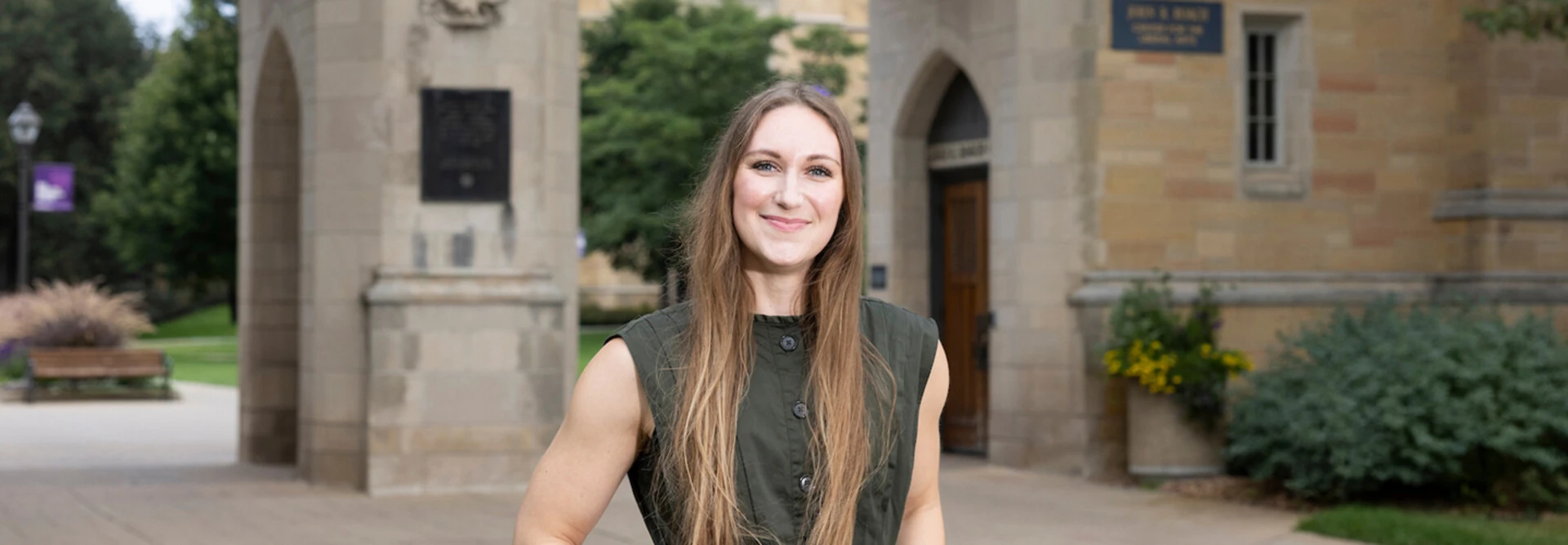
According to Jena Zangs, the university’s Chief Data and Analytics Officer, St. Thomas draws on a wide range of student information — from attendance patterns to library usage and even meal plan activity — to understand how students engage across campus. This data helps the university identify students who may need additional support early in the semester.
Rather than keeping this information behind the scenes, the data team emphasizes transparency. They share key performance indicators (KPIs) with relevant departments so that faculty and advisors can make informed decisions that improve student success.
Predictive Analytics for Student Retention
One of the most innovative ways St. Thomas uses data is through predictive analytics. By analyzing academic and engagement patterns within the first few weeks of a semester, the university can forecast student retention risks and intervene before problems grow. This proactive approach helps students stay on track and complete their programs.
Personalizing the Student Journey
St. Thomas is also employing data to customize interactions with students. The university is developing AI-assisted advising tools that can guide students through common concerns, such as changing majors, without needing to wait for in-person meetings. These tools use historical data to suggest the most efficient academic pathways for individual students.
By combining demographic information with activity data, the university tailors services and communications to individual needs. This level of personalization aims to make the student experience feel as intuitive and responsive as modern consumer technology.
Enhancing Support Services Through Collaboration
Zangs advises that successful data use requires collaboration between technical teams and student support staff. Data professionals can see patterns across campus, while advisors and counselors have direct contact with students. This teamwork helps ensure that data insights translate into real-world improvements in academic advising, student engagement, and support services.
A Model for the Future
The University of St. Thomas’s data-driven initiatives reflect a broader trend in higher education: viewing data not just as a byproduct of digital systems, but as a strategic asset for enhancing student success. By using analytics responsibly — with transparency, collaboration, and innovation — St. Thomas is working to create an academic environment where each student feels understood, supported, and empowered to thrive.